The Importance of Safe Transportation for Individuals in Wheelchairs
Safe transportation is a critical need for individuals who use wheelchairs. It affects their independence, health, and overall quality of life. Without proper transportation options, many face barriers that limit their ability to participate fully in society. This post explores why safe transportation matters, the challenges faced, and practical solutions that improve mobility and safety for wheelchair users.

Why Safe Transportation Matters
Transportation is more than just moving from one place to another. For individuals in wheelchairs, it is a gateway to opportunities such as education, employment, healthcare, and social activities. When transportation is unsafe or inaccessible, it creates isolation and dependence on others.
Key reasons safe transportation is essential:
Preserves independence: Safe transport allows wheelchair users to travel without relying heavily on others.
Prevents injuries: Proper equipment and securement reduce the risk of falls or accidents during transit.
Supports health: Access to medical appointments and physical activities depends on reliable transportation.
Promotes social inclusion: Being able to visit friends, attend events, and participate in community life improves mental well-being.
Without these elements, wheelchair users may experience reduced quality of life and increased health risks.
Common Challenges in Transportation for Wheelchair Users
Many wheelchair users face obstacles that make transportation difficult or unsafe. These challenges include:
Inadequate vehicle adaptations: Not all vehicles have ramps, lifts, or securement systems designed for wheelchairs.
Lack of trained drivers: Drivers unfamiliar with wheelchair handling may cause discomfort or danger.
Limited public transit options: Many buses or trains lack proper accessibility features.
Scheduling and availability: Specialized transport services often require advance booking and may not be available on demand.
Cost barriers: Adapted vehicles and services can be expensive, limiting access for some individuals.
These issues highlight the need for improved transportation solutions tailored to wheelchair users.
Features of Safe Transportation for Wheelchair Users
Safe transportation involves more than just a vehicle that can carry a wheelchair. It requires specific features and practices to ensure security and comfort.
Vehicle Adaptations
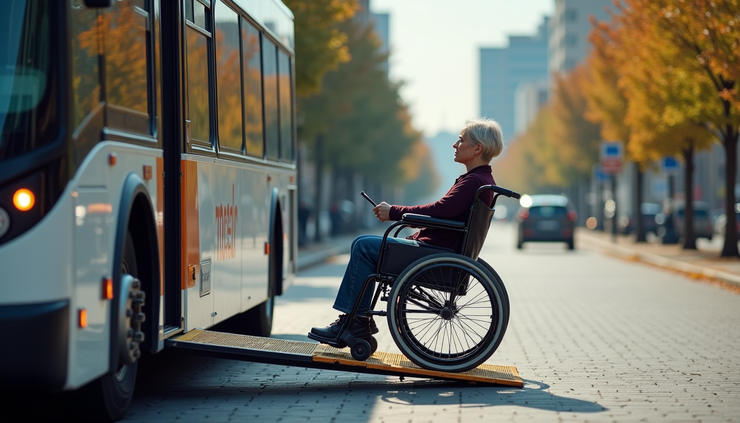
Ramps or lifts: Allow easy boarding and exiting without transferring out of the wheelchair.
Securement systems: Straps, clamps, or docking devices keep the wheelchair firmly in place during travel.
Spacious interiors: Enough room to maneuver and position the wheelchair comfortably.
Accessible controls: For drivers who use wheelchairs, hand controls and other modifications are essential.
Driver Training
Drivers should understand how to:
Safely operate lifts and ramps.
Secure wheelchairs properly.
Assist passengers with respect and care.
Respond to emergencies involving wheelchair users.
Safety Protocols
Regular vehicle maintenance to ensure equipment works correctly.
Clear communication with passengers about safety procedures.
Emergency plans tailored to wheelchair users.
Examples of Safe Transportation Solutions
Several organizations and companies provide transportation options designed with wheelchair safety in mind.
Paratransit services: Many cities offer door-to-door transport with vehicles equipped for wheelchairs.
Accessible taxis and ride-shares: Some services specialize in wheelchair-accessible vehicles.
Nonprofit programs: Groups may offer volunteer drivers and adapted vehicles for medical appointments or errands.
Personal vehicle modifications: Individuals can retrofit their own cars or vans with ramps and securement systems.
These options help bridge the gap between mobility needs and available transport.
How Communities Can Improve Transportation Safety
Communities play a vital role in making transportation safer and more accessible for wheelchair users. Actions include:
Investing in accessible public transit: Buses and trains with ramps, lifts, and priority seating.
Training transit staff: Ensuring drivers and attendants know how to assist wheelchair users properly.
Improving infrastructure: Smooth sidewalks, curb cuts, and clear signage support safe travel to and from transit stops.
Raising awareness: Educating the public about the importance of respecting accessible transport spaces.
Supporting funding programs: Grants or subsidies to help individuals afford adapted vehicles or services.
By addressing these areas, communities can reduce barriers and promote equal access.
What Individuals Can Do to Ensure Safe Transportation
Wheelchair users and their families can take steps to improve transportation safety:
Research options: Identify local accessible transport services and their policies.
Advocate for needs: Communicate with service providers about specific requirements.
Prepare for trips: Plan routes and schedules to avoid last-minute issues.
Use proper equipment: Ensure wheelchairs and securement devices meet safety standards.
Stay informed: Keep up with new technologies and services that enhance mobility.
Being proactive helps individuals maintain control over their transportation choices.
Safe transportation for individuals in wheelchairs is a foundation for independence, health, and social connection. It requires vehicles equipped with the right features, trained drivers, and supportive communities. By understanding the challenges and solutions, society can build systems that respect the dignity and needs of wheelchair users.


Comments