Top Safety Features for Non-Emergency Medical Transport
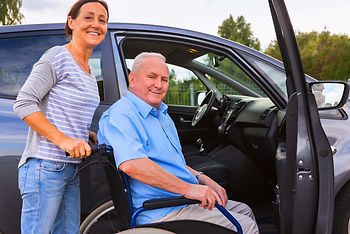
When you trust a non-emergency medical transport (NEMT) service with someone you care about, you are doing more than booking a ride.
You are handing over comfort, safety, and dignity for the length of that trip. In those moments, details such as secure seating, trained drivers, and clear communication matter far more than they might on an ordinary drive.
Safe non-emergency medical transportation blends clinical awareness with thoughtful service. Every decision, from the type of vehicle to the route taken, can affect physical stability and emotional ease for the person riding.
Families and healthcare teams want to know that the service they choose has built safety into every part of the experience, not just added it as an afterthought.
Enhanced vehicle design, integrated technology, and rigorous driver training all work together to protect riders. When these elements are aligned, non-emergency medical transport becomes a reliable extension of the care your loved one already receives.
Enhanced Vehicle Design and Equipment
Safety in non-emergency medical transport begins with vehicles that are built and outfitted for people with health and mobility needs. Purpose-designed NEMT vehicles typically offer smoother rides, easier entry, and interiors that support both comfort and protection. These design choices may look small from the outside, yet they have a meaningful impact on how secure a rider feels during the trip.
Advanced suspension systems are one of the most important features. They help absorb bumps and reduce jolts, which can be especially important for people dealing with pain, recent surgery, or fragile health. A smoother ride also protects oxygen tanks, monitoring devices, and other medical equipment from unnecessary shaking, which helps keep everything functioning as expected. Less motion can also reduce nausea for riders who are prone to motion sickness.
Restraint systems add another critical layer of safety. Seat belts, harnesses, and support straps are often adapted for different body sizes, postures, and medical conditions. They are designed to secure patients gently but firmly, whether someone is in a standard seat, on a stretcher, or supported by additional pillows or blankets. The goal is to stabilize the rider without creating pressure points or discomfort that might worsen existing conditions.
For wheelchair users, properly installed tie-down systems are essential. These systems lock the wheelchair into place at multiple points so it cannot slide or tip if the vehicle stops suddenly or turns sharply. When combined with secure shoulder and lap belts, they help maintain proper posture and alignment throughout the ride. Padded interiors, non-slip flooring, and grab handles add further protection, especially during transfers in and out of the vehicle.
When you review vehicle safety features with a non-emergency medical transportation provider, it helps to ask about specific design details, such as:
How often vehicles are inspected and maintained for suspension and braking performance
What type of wheelchair ramps, lifts, or low-floor entries are used for easier access
Whether interiors include non-slip flooring, supportive seating, and ample grab bars
Thoughtful vehicle design and equipment reduce risk for riders, drivers, and caregivers alike. They also help each trip feel less like a basic transfer and more like a carefully planned part of the overall care plan. When a provider invests in these NEMT safety features, it shows a clear commitment to protecting both comfort and clinical well-being.
Technological Integration for Safety Monitoring
Modern non-emergency medical transport relies heavily on technology to support safe and consistent service. One of the most visible tools is GPS tracking. With GPS running in the background, dispatch teams can see where vehicles are, select efficient routes, and respond quickly if conditions on the road change. This helps keep arrival and drop-off times as reliable as possible, which is especially important for medical appointments and scheduled treatments.
Families and facilities often appreciate the reassurance that comes with real-time trip visibility. In many systems, staff can confirm when a vehicle is on the way, when it arrives, and when the rider has been dropped off. This level of transparency reduces anxiety, eliminates guesswork, and supports better coordination with clinics, dialysis centers, or rehabilitation programs. It also helps everyone involved stay on the same page during busy days.
Telematics technology adds another layer by monitoring vehicle performance and driver behavior. These systems can track speed, braking patterns, and acceleration to make sure driving remains smooth and within safe limits. If a driver consistently brakes hard or drives too fast, this data is flagged so coaching and corrective action can take place. Telematics can also remind teams about maintenance needs, supporting safer vehicles over time.
Driver monitoring systems are increasingly common in NEMT fleets. Some systems watch for signs of distraction, drowsiness, or other risky behaviors and issue alerts when attention seems to drift. Others combine outward- and inward-facing cameras to capture what is happening on the road and inside the vehicle. Used properly, these systems support drivers by reinforcing safe habits and providing clear records if questions arise about what occurred during a trip.
Many safety-focused NEMT providers use technology packages that may include:
GPS tools that support route planning, arrival estimates, and location updates
Telematics dashboards that track speed, vehicle performance, and maintenance needs
Electronic trip logs that document pickup times, drop-off times, and any special notes for each rider
Technology alone is not enough to guarantee safety, but when used thoughtfully, it can support better decisions and faster responses. In non-emergency medical transport, these tools help create a safer environment by improving visibility, accountability, and consistency. They also give families and healthcare partners more confidence that each ride is being actively monitored, not left to chance.
Driver Training and Certification
Even with well-equipped vehicles and strong technology, the quality of non-emergency medical transport depends heavily on the people behind the wheel. NEMT drivers act as both transport professionals and frontline caregivers. Their training, judgment, and demeanor influence how safe and supported a rider feels from the moment the vehicle arrives until the trip is complete.
Comprehensive initial training is essential. Qualified NEMT drivers typically receive instruction in first aid and CPR, along with guidance on responding to medical issues that might arise during transport. They also learn safe transfer techniques, such as how to assist someone from a wheelchair to a seat without causing strain or injury. This training prepares them to stay calm and effective if a rider experiences discomfort or a sudden change in condition.
Scenario-based exercises are another key part of driver education. Through role-play and practice drills, drivers rehearse what to do if a rider becomes short of breath, feels faint, or is anxious about the trip. They learn how to communicate clearly, call for additional help when needed, and keep the vehicle controlled and safe in stressful situations. These simulations build confidence and help drivers react more smoothly when real events occur.
Ongoing education and recertification help maintain high standards over time. Regulations, equipment, and best practices continue to evolve, so NEMT drivers benefit from regular refreshers. This might include updated medical transportation safety tips, new transfer equipment, or revised procedures from local health authorities. Regular performance evaluations tie this training back to day-to-day work, ensuring that skills are not just learned once and forgotten.
Strong NEMT driver programs often include structured topics such as:
Disability awareness and respectful communication with riders and family members
De-escalation skills for moments of frustration, confusion, or anxiety
Infection control practices, including vehicle cleaning and personal hygiene standards
When driver training and certification are treated as ongoing responsibilities rather than one-time steps, it strengthens every part of non-emergency medical transportation. Riders benefit from professional, calm support. Families and healthcare partners gain reassurance that the person driving has been carefully prepared for both routine trips and unexpected situations. Over time, this steady investment in people becomes one of the most important safety features a provider can offer.
Choose Safety-First Non-Emergency Medical Transport
At Rena Caregivers, Inc., we understand that choosing non-emergency medical transport means trusting a team with someone you deeply care about. That is why we focus on vehicles designed for comfort, technology that supports oversight, and drivers who are trained to provide safe, respectful care on every ride.
We combine enhanced NEMT safety features with thoughtful, door-to-door medical transport services so each trip feels organized and supportive rather than stressful. Whether your loved one needs regular visits to treatment or occasional transport to a specialist, our goal is to keep every ride steady, dignified, and well-coordinated from start to finish.
Need safe and reliable non-emergency medical transportation? Ensure your loved ones travel safely with trusted non-emergency medical transportation!
For direct assistance, feel free to call us at (978) 918-8487.


Comments